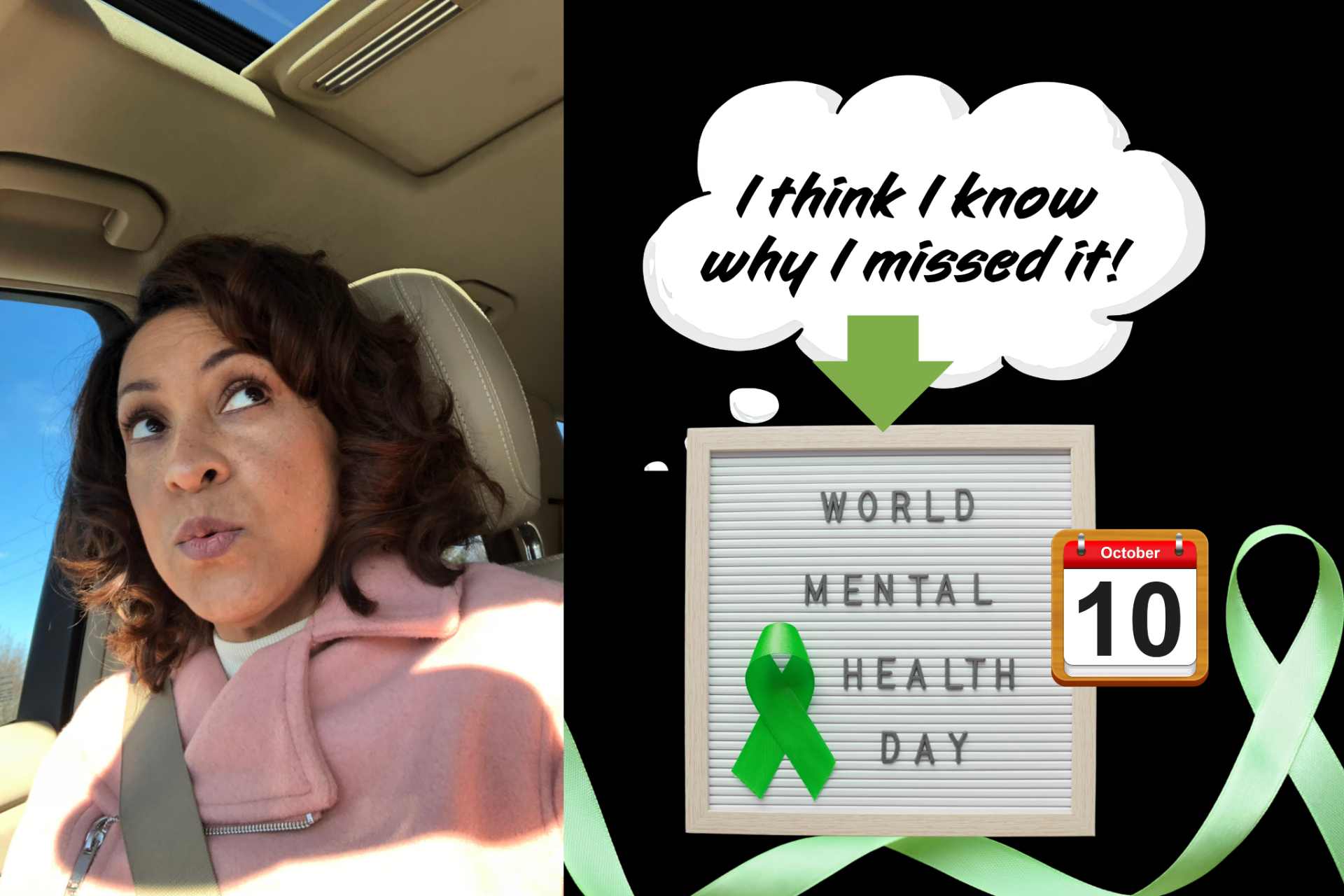
World Mental Health Day came and
went on October 10, and I missed it. That surprised me because I spend a lot of
time talking about the brain, memory, focus, sleep, stress, aging and hormones.
I also talk about grief and trauma as well. Not to mention all of the everyday
things that affect how we think, feel, remember, and function. So how did I
miss a day devoted to mental health?
I think I know why. I rarely use
the words mental health. I usually say brain health. The more I
thought about that, the more I wondered if the words we use may actually be
part of the reason some people avoid the conversation altogether.
Mental Health Still Carries a
Lot of Baggage
The term mental health is
perfectly legitimate, so is mental illness. But for a lot of people,
those words still come with baggage. They can bring up images of crisis,
instability, something being “wrong”, and there being something to hide. It’s
viewed as something families don’t talk about or whispered about. And in some
communities, the stigma is still so strong that people will do almost anything
to avoid being associated with the words mental illness.
We may say things like: “She’s just
going through something.” “He needs to get himself together.” “She worries too
much.” “He needs to pray.” “She has always been emotional.”
Sometimes we will describe
everything around the problem before we will name the problem itself. And that
makes me wonder:
Would some people be more
willing to pay attention if we started the conversation with the brain?
What If We Talked About Brain
Health First?
Nobody gets uncomfortable when I
say brain health. Instead, people lean in. They want to know how to protect
their memory and improve their focus. They want to sleep better and manage
stress. Many people want to understand what happens to the brain as we age. They
want to know why they walk into a room and forget what they went in there for. They
want to know why they feel mentally exhausted and what they can do now to help
their brains later. Somehow, brain health feels practical while mental
health can feel personal. Maybe that difference matters.
The truth is, we cannot completely
separate our emotional health from our brain health. Because stress, sleep,
trauma and grief all affect the brain. And we all know that hormonal changes
can affect mood, concentration, sleep, and memory. Being anxious can make it difficult
to concentrate, while depression can affect energy, motivation, attention, and
thinking. I don’t have to convince you that chronic stress can leave us feeling
mentally and emotionally exhausted. The brain is involved in all of it.
Maybe Some Women Aren’t Saying
“Mental Health”
This becomes especially important
when I think about midlife women. A woman may never say:
“I’m worried about my mental
health.” But she might say: “I can’t focus anymore.” “My mind won’t shut down
and I can’t sleep.” “I’m feeling overwhelmed.” “I just don’t have the mental
energy I used to have.” These kind of statement deserve our attention. Not
because every one of them means there is a mental illness. They don’t. But they
can be clues that something needs attention. And sometimes the first step is
simply giving women language that feels safe enough to start the conversation.
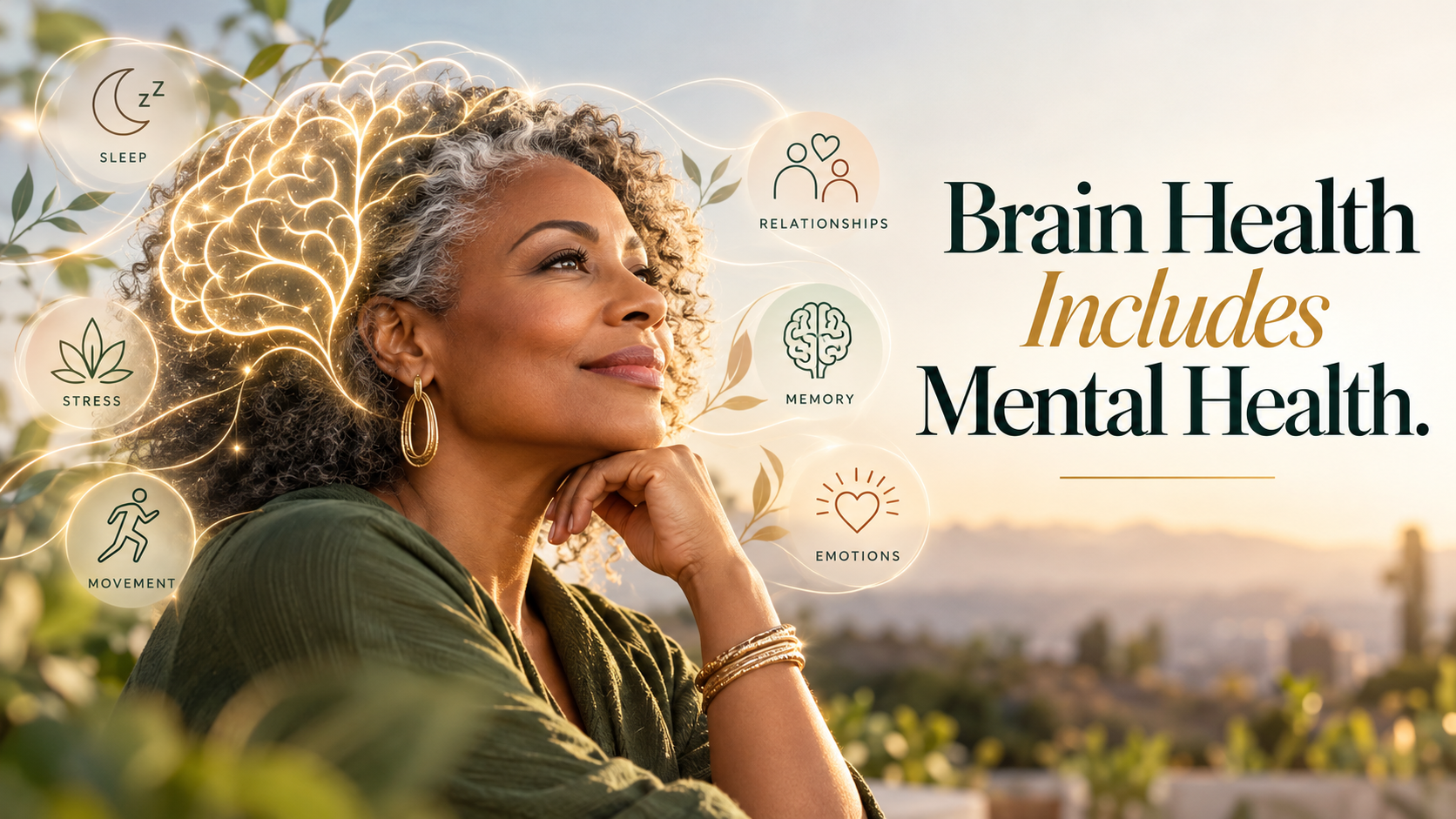
Brain Health Doesn’t Replace
Mental Health
I want to be clear about something.
I am not suggesting we stop using the terms mental health or mental
illness. We need those words as well as accurate diagnoses. We
definitely need trained mental health professionals who can provide therapy as
well as appropriate medical care. And yes, we need medication when it is
indicated. We absolutely should not reduce serious mental health conditions to
simply “taking better care of your brain.” But I do think brain health can
widen the conversation.
It can become another doorway for someone
who has been afraid to talk about depression or anxiety. Perhaps a conversation
about sleep, stress, mood, and brain health helps her begin.
For someone who thinks counseling
means something must be terribly wrong, perhaps understanding how stress and
trauma affect the brain helps remove some of the shame. For someone who has
spent decades being told to “just be strong,” perhaps brain health gives her
permission to admit that she is tired. And maybe once the door is open, she is
more willing to get the help she needs.
Faith Shouldn’t Close the Door
Either
For those of us in faith
communities, there is another layer to this conversation. Sometimes we have
unintentionally made it harder for people to talk about their emotional
struggles. We tell people to pray. And yes I definitely believe in prayer and
know that prayer matters. I believe God meets us in difficult places.
Hear me clearly. Prayer and
professional care are not enemies. You can pray and see a counselor. You can trust
God and take medication. You can have faith and still need help.
You can love God and experience
depression. You can believe Scripture and still struggle with anxiety. Caring
for the brain God gave you may include prayer, rest, community, healthy habits,
counseling, medical care, medication, or some combination of them. We do not
have to choose between faith and care.
What If We Took the Shame Out of
It?
We readily talk about heart health,
gut health, bone health, breast health, and hormonal health.
So why should caring for the brain
feel shameful? Maybe that is one reason I naturally gravitate toward the words brain
health. They remind us that the brain is part of the body. That it needs
care and can be affected by stress. It can also be injured and become
overwhelmed. There should be no shame in that.
So Yes, I Missed World Mental
Health Day
And strangely enough, missing it
made me think more deeply about why the day matters.
Maybe we need more than a day.
Perhaps we need better conversations. Conversations that make it easier for
people to say: “I am struggling, and I need help.” “I think I need to talk to
somebody.” And maybe for some people, that conversation starts with the words mental
health. For others, it may start with brain health. I’m okay with
either one, because the goal is not to win an argument about terminology. The
goal is to get people talking and to reduce the shame. To encourage people to
pay attention to changes in how they think, feel, and function.
And to help them understand that
caring for their emotional well-being is not separate from caring for the rest
of their body.
So perhaps I didn’t completely miss
World Mental Health Day after all. It just took me a few extra days to realize
something: Sometimes changing the words can help us change the conversation.
And if calling it brain health helps one more woman pay attention, ask
questions, seek support, or take better care of herself, then I think that is a
conversation worth having.
Because taking care of your
brain includes taking care of how you think, how you feel, and how you live.
Blessings,
Dr. Janice R. Love
Pearls Perfected Institute