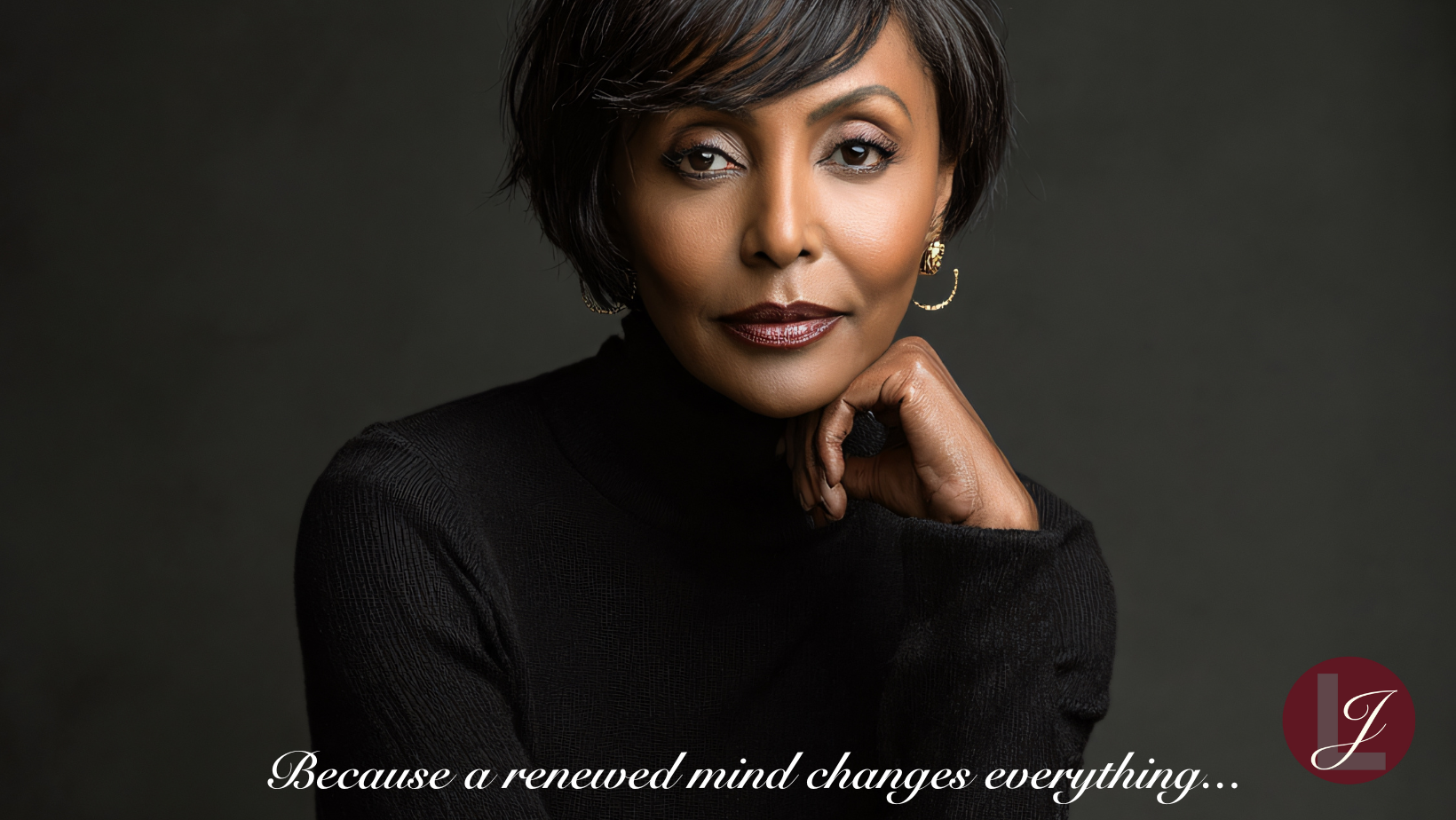
For a lot of midlife women, the
struggle isn’t loud. It’s quiet.
It sounds like:
- “Why can’t I think straight anymore?”
- “I love God, so why do I feel so off?”
- “Is this just aging… or am I losing something?”
We don’t always say it out loud,
but many women in midlife are wrestling with their minds—brain fog, anxiety,
emotional overload, exhaustion, and a low hum of guilt for not “handling it
better.”
And here’s the truth nobody says
plainly enough: Being faithful doesn’t mean you’re immune to mental
overload.
When we hear the phrase “in her
right mind,” it can sound judgmental—like there’s a right way and a wrong
way to think, feel, or function.
But being in your right mind
doesn’t mean:
- You never feel overwhelmed
- You never struggle emotionally
- You always have the right answer
It means you are clear enough to
choose well, grounded enough to care for yourself, and present
enough to live on purpose.
Clarity. Peace. Purpose.
That combination matters more in
midlife than ever before.
Before healing, Mary was surviving.
After healing, she was discerning. She could recognize truth.
She could stand in the middle of grief without losing herself. She could hear
direction and act on it. That’s what being in your right mind looks like.
Not loud faith.
Not perfect faith.
Clear faith.
One of the most misunderstood women
in the Bible is Mary Magdalene.
For years, her name has been
associated with shame and scandal—much of it unsupported by Scripture. What the
Bible actually tells us is this: Mary Magdalene was a woman who had been deeply
tormented. Luke’s Gospel says she had been healed of seven demons.
Now, without getting spooky or
dramatic, let’s keep this grounded.
Seven isn’t a small number.
That’s layered pain.
That’s deep distress.
That’s a woman who had lived with chaos in her mind and body.
And after her healing, something
changed. Mary didn’t disappear into the background.
She didn’t just “move on.” She followed Jesus. She supported His ministry. She
stayed present when others walked away.
And when the resurrection
happened—when everything shifted—Mary Magdalene was clear enough, present
enough, and grounded enough to recognize Him first.
For many women, midlife is the
moment when what we’ve been carrying finally catches up with us.
Years of:
- Caregiving
- Overfunctioning
- Ignoring our own needs
- Pushing through stress
- Spiritualizing exhaustion
The body keeps score. So does
the brain.
Midlife symptoms aren’t just
hormonal—they’re informational. They tell the truth about what needs attention.
And here’s where women get stuck:
We try to pray our way past things that require care, rest, support,
and renewal.
Faith doesn’t cancel the need for
brain health. It calls us to steward it.
After her healing, Mary Magdalene
wasn’t problem-free. She still lived in a dangerous time. She still experienced
loss. She still stood at a cross. But she wasn’t confused about who she was or
what mattered.
Peace isn’t numbness.Peace is
knowing where to stand—even when life is shaking.
That’s what so many midlife women
are really asking for:
- Not to go back to who they were
- Not to feel young again
- But to feel steady, clear, and whole
Mary Magdalene didn’t chase purpose. Purpose
followed her healing. She became a messenger. A witness. A woman trusted with
truth. Purpose doesn’t come from grinding harder in midlife.
It comes from getting clear enough to answer what’s next. And clarity begins in
the mind.

For a midlife woman, being in her
right mind means:
- You stop minimizing what your body and brain are
telling you
- You stop shaming yourself for needing support
- You stop pretending exhaustion is holy
It means you choose renewal over
resignation.
Because a renewed mind really does
change everything:
- How you see yourself
- How you make decisions
- How you show up in relationships
- How you live out your faith in this season
Midlife isn’t a breakdown. It’s an invitation.
And like Mary Magdalene, when your
mind is restored, you don’t just find relief—you find direction. Clarity. Peace.
Purpose.
That’s what it looks like to be in
your right mind.
Blessings,
Dr. Janice R. Love