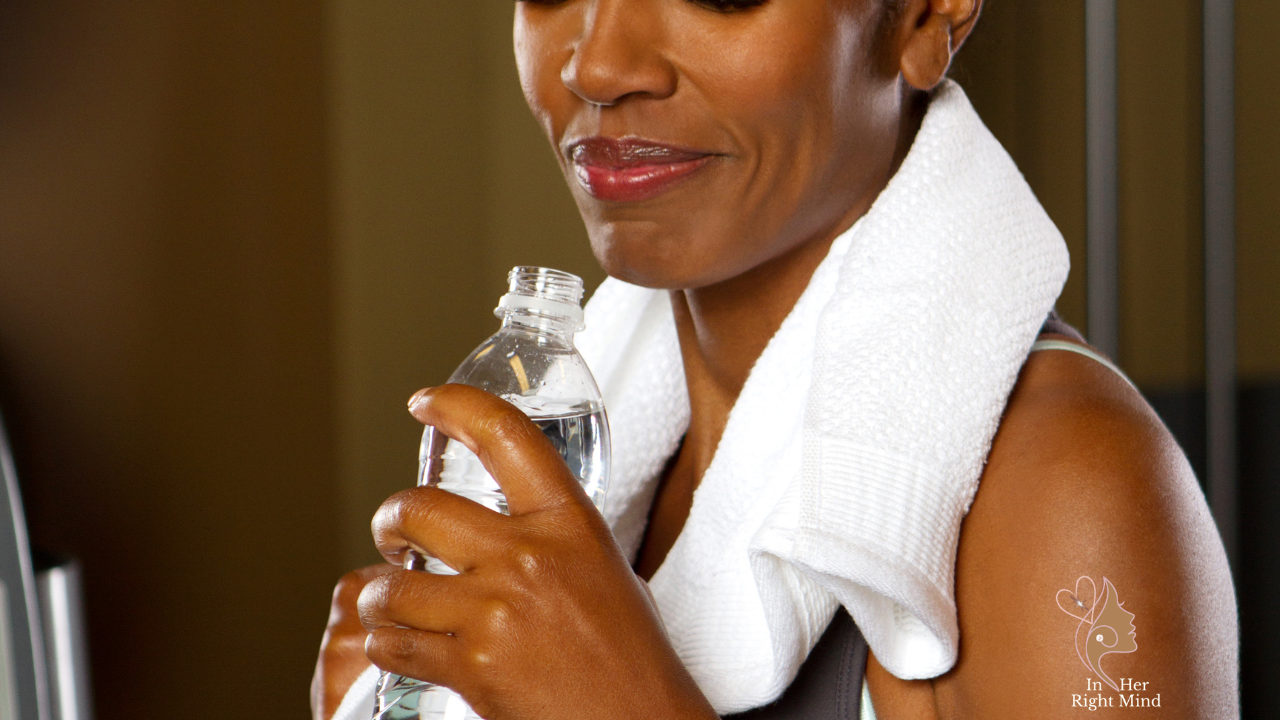
Have you ever been out somewhere, needed a drink of water, and had to decide whether to use what was available or go without?
Just the other day, I was riding
along with my husband when I got a tickle in my throat. I had forgotten to
bring my favorite stainless steel bottle with me as we were heading to a
restaurant. I needed something to drink so I could stop coughing, but the only
thing available was half of a mini water bottle that had been sitting in my
husband’s car.
I hesitated. Knowing what I know about plastic exposure,
especially after a bottle has been sitting in a hot car, I really did not want
to drink it. But that cough was working on my nerves. So I said, “Lord, help
me,” and took a swig just to clear my throat.
That little moment reminded me of something: plastics are so woven into daily life that we often do not think about them until we are forced to.
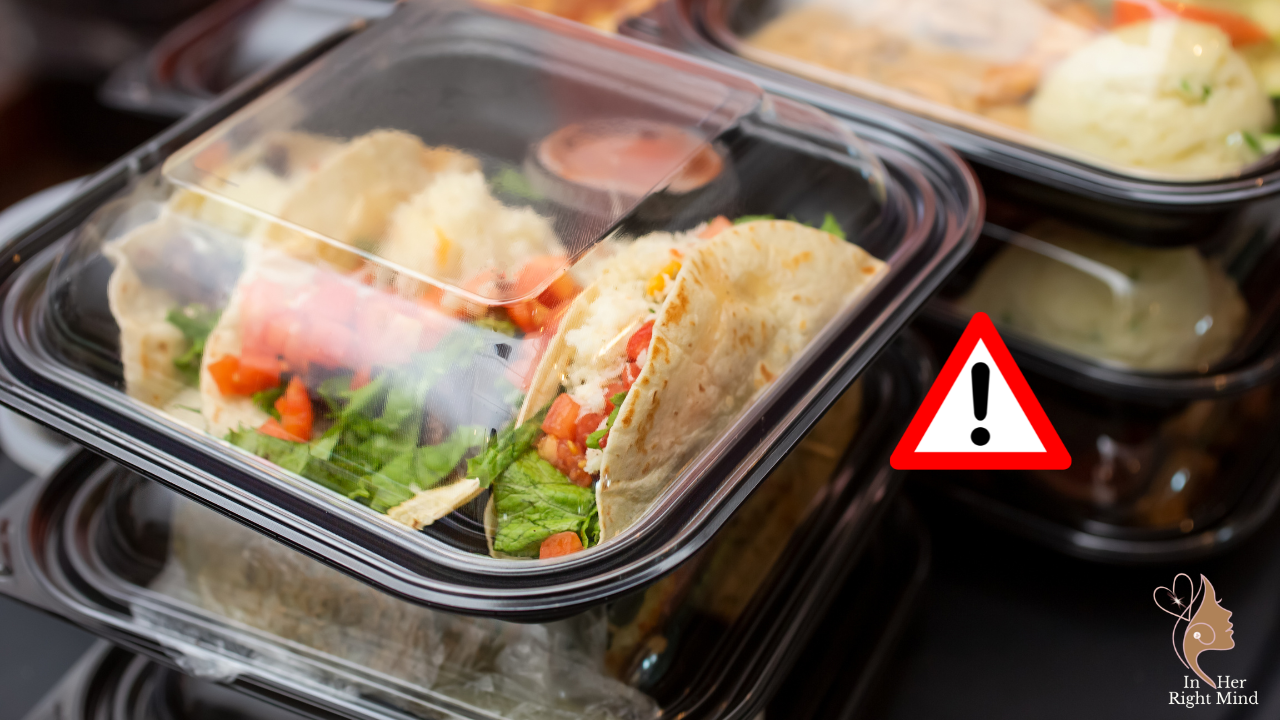
Plastic is everywhere. It is in food packaging, water bottles, storage containers, straws, receipts, clothing, and more. Many of us are using it every single day without stopping to think about what may be touching our food, our water, and ultimately our bodies.
I’m not trying to scare you, but some researchers have likened the amount of microplastics we ingest to eating a credit card worth of plastic each week. I hope that’s not true, but just in case, I want you to pay attention.
Researchers have raised concerns about chemicals found in some plastics, including BPA and phthalates, because of their possible effects on the body, especially hormone function. Scientists are also continuing to study microplastics and nanoplastics, which have been found in food, water, human tissue and even wastewater. We may not know everything yet, but we already know enough to be more mindful.
Take this simple inventory
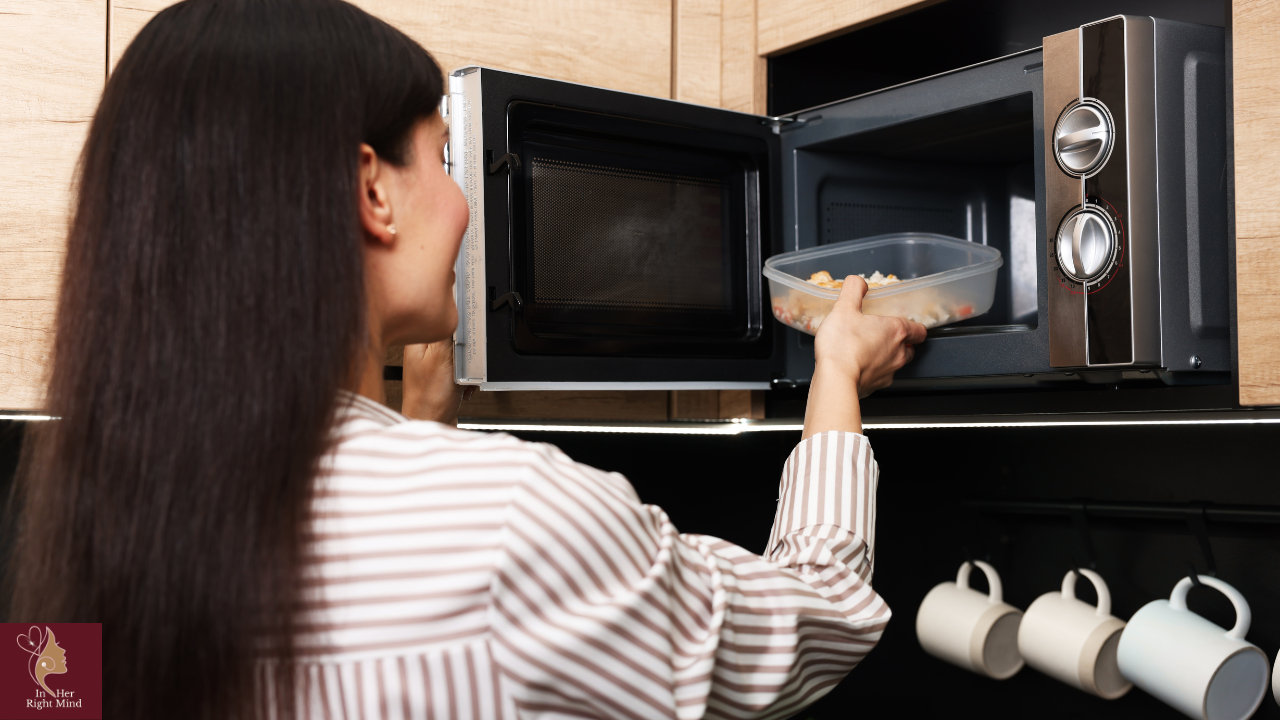
10 simple ways to reduce the plastics touching
your food, water, and body:
None of this requires perfection. But it does require awareness.