Some nights, I did everything
“right.”
I had Proverbs 3:24 posted
next to my bed: When you lie down, you will not be afraid; when you lie
down, your sleep will be sweet.”
I’d read it and meditated on it like
a bedtime promise. Like a spiritual lullaby. And when sleep still didn’t
come—when I couldn’t fall asleep, couldn’t stay asleep, couldn’t settle—I
didn’t question my routine first.
I questioned me.
I started asking the quiet
questions that feel holy… but sound like shame:
- Do I not believe God can help me sleep?
- Am I lacking faith?
- Why would God promise “sweet sleep” and I’m wide
awake at 2:47 a.m.?
And let me tell you what that
spiral feels like.
It feels like guilt in your chest.
It feels like you’re failing a test nobody else can see.
It feels like you’re trying to “pray harder” while your heart is racing and
your mind won’t shut off.
It feels like blaming your spirit for something your body is doing..
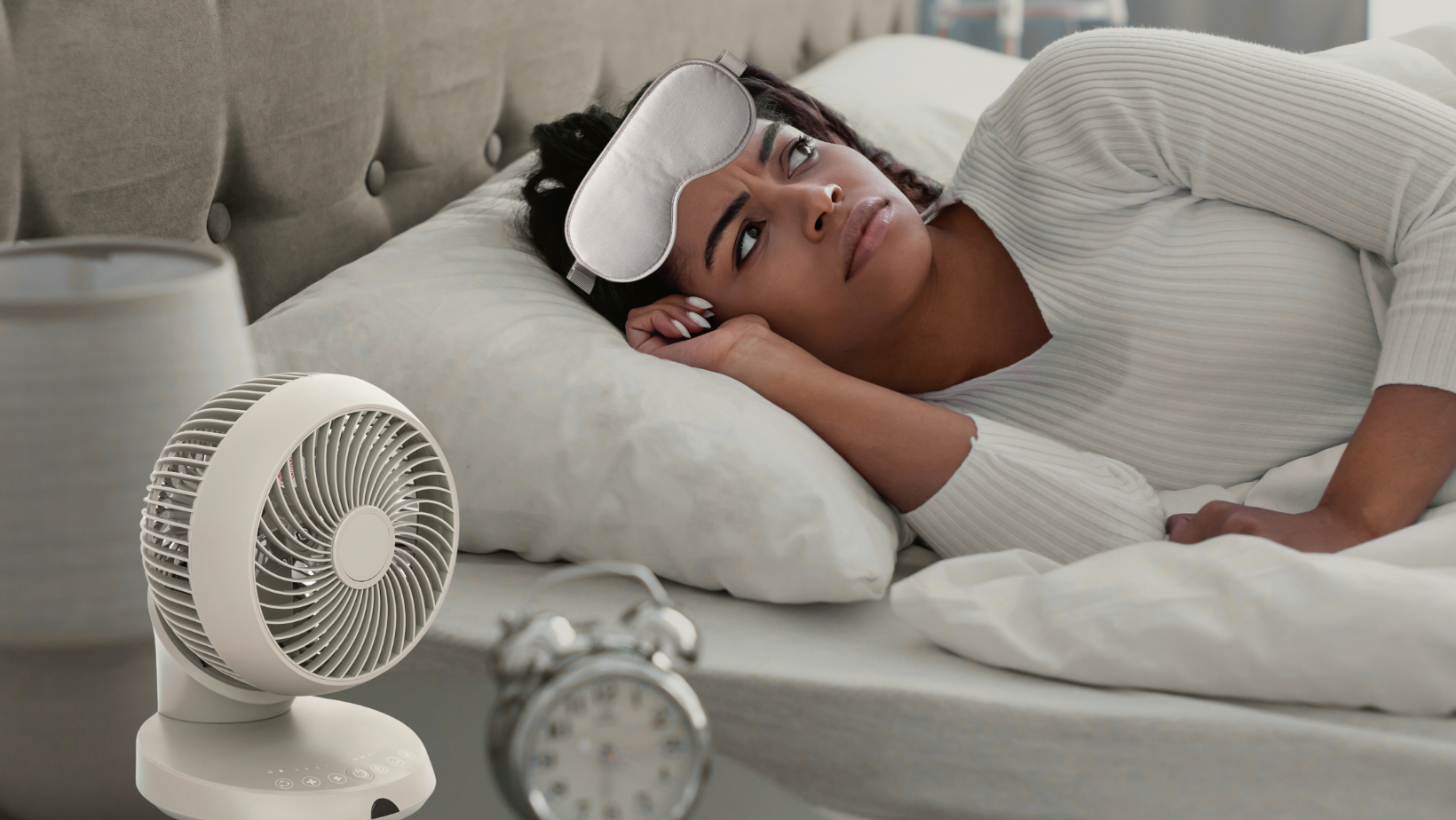
My sleeplessness wasn’t proof my
faith was weak. It was proof my body needed help.
The real problem wasn’t my
faith. It was my thyroid.
I later learned I had an overactive
thyroid, and it was driving my system like a car stuck in high gear—revved
up, restless, on edge.
So yes… I loved God. Yes… I believed the Word.
But my nervous system was still acting like an alarm clock with no off switch.
And even after my thyroid came
under control, I still had trouble falling asleep. That part really messed with
me—because by then I had perfected sleep hygiene.
I did the things people swear will
fix it:
- invested in the right mattress and sheets
- kept the room dark and cool
- controlled the temperature
- worked on a consistent routine
- did all the “no screens, calm down, wind down” steps
So when sleep still didn’t come, my
question became:
“What am I not doing right?”
The answer: it wasn’t just
hygiene. It was my brain.
That’s when I discovered something
freeing:
Sometimes sleep doesn’t break
because you’re careless.
Sleep breaks because your brain and body are overloaded—and your brain
can’t shift into rest the way it used to.
Midlife hormones change. Thyroid
issues impact energy and nervous system activation. Stress load piles up. And
the brain starts getting more sensitive to disruption.
So no—this wasn’t a faith issue.
This was a brain-and-body
stewardship issue.
Let me say it plain:
Scripture is not a substitute
for medical wisdom.
It’s support. It’s comfort. It’s truth. But it’s not a diagnosis. And if you’re
a woman who loves God and you’re not sleeping, I want you to release this right
now: You are not “less spiritual” because your brain won’t settle.
You are not “failing faith” because your body needs support. You are not “doing it wrong” because sleep hygiene didn’t solve it. You may simply need to ask
different questions.

If sleep has been hard for
you—falling asleep, staying asleep, waking up anxious—consider exploring:
- thyroid labs (and not just “normal,” but optimal
conversations with your provider)
- cortisol/stress load patterns
- menopause/perimenopause shifts
- caffeine sensitivity (especially midlife)
- nervous system regulation during the day, not only at
bedtime
Because the goal isn’t to blame
yourself. The goal is to understand what your body is asking for.
God is not disappointed in you. And
your brain is not betraying you. This might simply be your invitation to learn
how to care for your mind differently in this season.
Forward this to a woman who loves God but can’t turn her brain off at night. She needs compassion, not condemnation.
Blessings,
Dr. Janice R. Love
"Because a Renewed Mind Changes Everything"