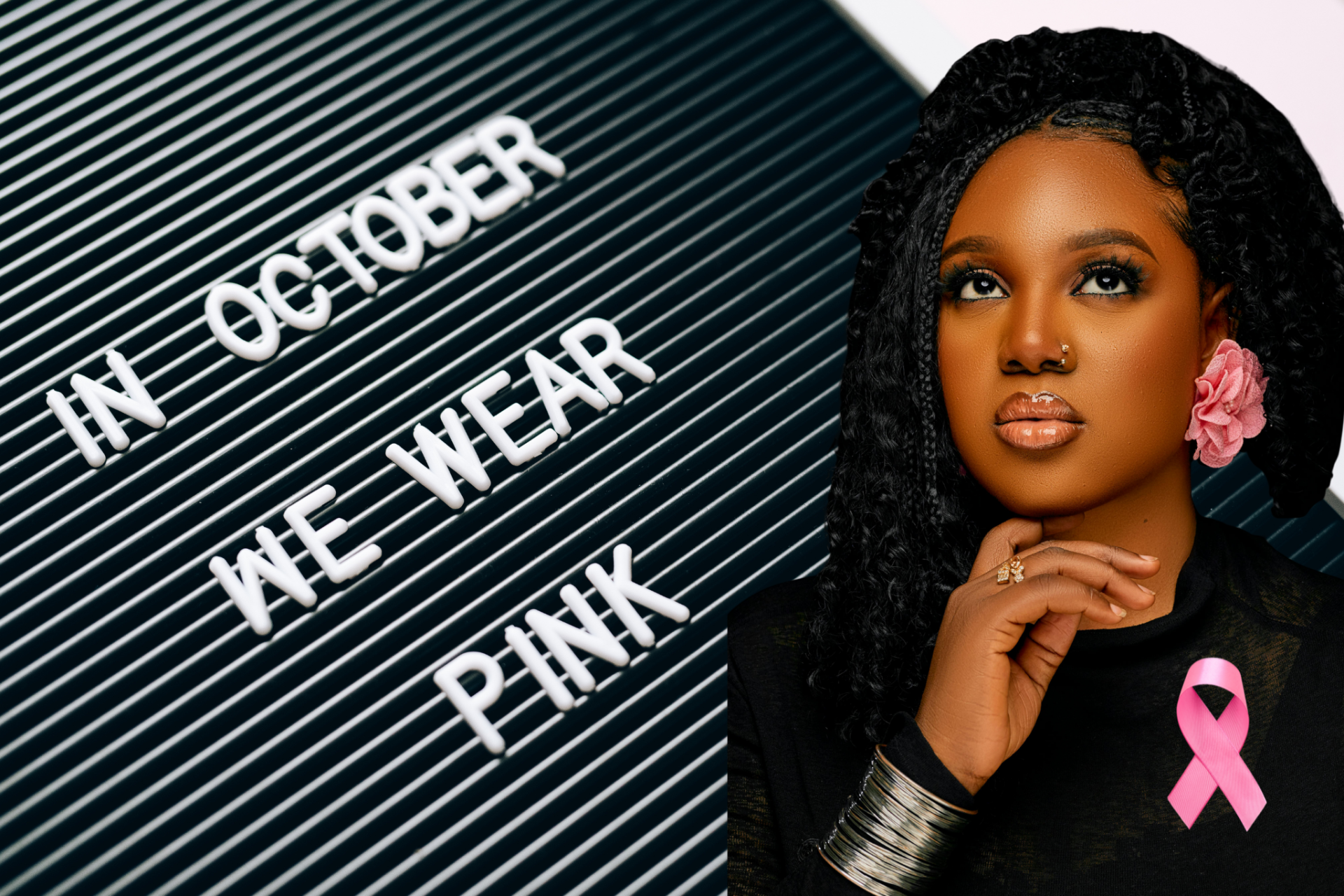
Every October, something beautiful happens in churches
across the country. We wear pink.
We recognize breast cancer survivors. We honor those we have
lost. We share information about mammograms, early detection, family history,
and the importance of paying attention to changes in our bodies.
In our church, we even have a special Worship in Pink Sunday designed to educate, encourage,
and bring awareness to breast cancer. And I am glad we do, because awareness
saves lives. Breast Cancer Awareness has taught generations of women that we
should not wait until something is terribly wrong before we begin paying
attention to our health. We are encouraged to know our bodies, understand our
risks, get appropriate screenings, ask questions, and speak up when something
changes. But since I have been certified in brain health coaching, I had to ask
myself a question: We worship in pink. When will we talk about the brain?
I cannot remember us ever having a Sunday devoted to brain
health. I don't remember being taught in church about the importance of
protecting our memory, attention, focus, and thinking as we age. I don't
remember anyone explaining that changes in sleep, stress, blood pressure,
hormones, physical activity, nutrition, or other areas of our health can also
affect how well our brains function. Yet I know plenty of women who are quietly
asking questions. Why am I forgetting things more often? Why can't I
concentrate like I used to? Why did I walk into this room? Why am
I struggling to remember that person's name? Is this normal aging, or is
something else going on?
Unfortunately, too many of us laugh these moments off.We
call them senior moments.We blame menopause.We say we're just
busy or we decide that because dementia or Alzheimer's disease doesn't run in
our family, we don't have anything to worry about. But if Breast Cancer
Awareness Month has taught us anything, it is that family history is
important, but it is not the whole story.
One of the messages that recently caught my attention at a
cancer awareness walk was that many women diagnosed with breast cancer do not
have a family history of the disease. That stopped me in my tracks. Because it
reminded me that awareness is not just for people who believe they are at high
risk. Awareness is for all of us. And I believe we need to bring that same
mindset to brain health.
Awareness Does Not Mean Fear
Sometimes when we start talking about memory or dementia,
people become uncomfortable.
Nobody wants to think about losing their memory. Nobody
wants to imagine being unable to recognize the people they love or losing the
independence they worked so hard to build. But talking about brain health
doesn't mean living in fear of dementia any more than getting a mammogram means
living in fear of breast cancer.
Awareness is not about panic. It is about paying
attention.
We have taught women to check their breasts. Now we need to
teach women to check in with their brains. How are you sleeping? How is
your memory? How is your concentration? Are you constantly overwhelmed? Have
you noticed changes in your thinking? How is your blood pressure? Are you
moving your body? Are you staying socially connected?
Have you discussed changes in your health with your doctor? And
perhaps most importantly: Are you taking care of your brain now, so it has
more to work with later?
The church has always played an important role in the health
of our communities. We host screenings. We provide health education. We
encourage people to take care of their bodies. We pray for those who are sick. We
show up for families dealing with cancer, heart disease, diabetes, and other
illnesses. So why shouldn't brain health be part of that conversation too?
Imagine a church where women not only learned the importance
of breast cancer screenings but also learned how everyday choices can support
the aging brain. Imagine health ministries talking about sleep, stress,
movement, nutrition, blood pressure, social connection, mental stimulation, and
memory.
Imagine older adults feeling comfortable saying, “Something
has changed with my thinking, and I want to talk to somebody about it,”
instead of hiding it because they are embarrassed or afraid. Imagine younger
women understanding that brain health isn't something we suddenly start
thinking about at 75. It begins much earlier. That is the shift I want us to
make.
Let's Expand the Awareness
This October, I will still wear pink and still celebrate the
survivors. I will still encourage women to get their screenings and learn their
risks. But I also want us to take something else away from Breast Cancer
Awareness Month. It has shown us what happens when we keep talking about an
issue. People learn and ask questions. People get reminded to go get a
mammogram annually. Women get reminded to check their own breasts in the
shower. Women recognize the warning signs and are taught to advocate for themselves.
And lives can be changed because somebody knew enough to pay attention. Our
brains deserve that same kind of attention.
Maybe we don't need to choose between breast health
awareness and brain health awareness.
Maybe the lesson is that women need both. After all, taking
care of ourselves should never be limited to one body part, one disease, or one
month. We need women in their right minds—not only today, but for all the
years God gives them to live, love, serve, lead, and make decisions with wisdom
and clarity.
And perhaps it's time we started talking about that just as
loudly.
Blessings,
Dr. Janice R. Love
P.S. Visit the Alzheimer’s Association https://www.alz.org for free resources including having a
volunteer community educator to speak to your church or organization. While
visiting the website, see if there is a walk in your area.