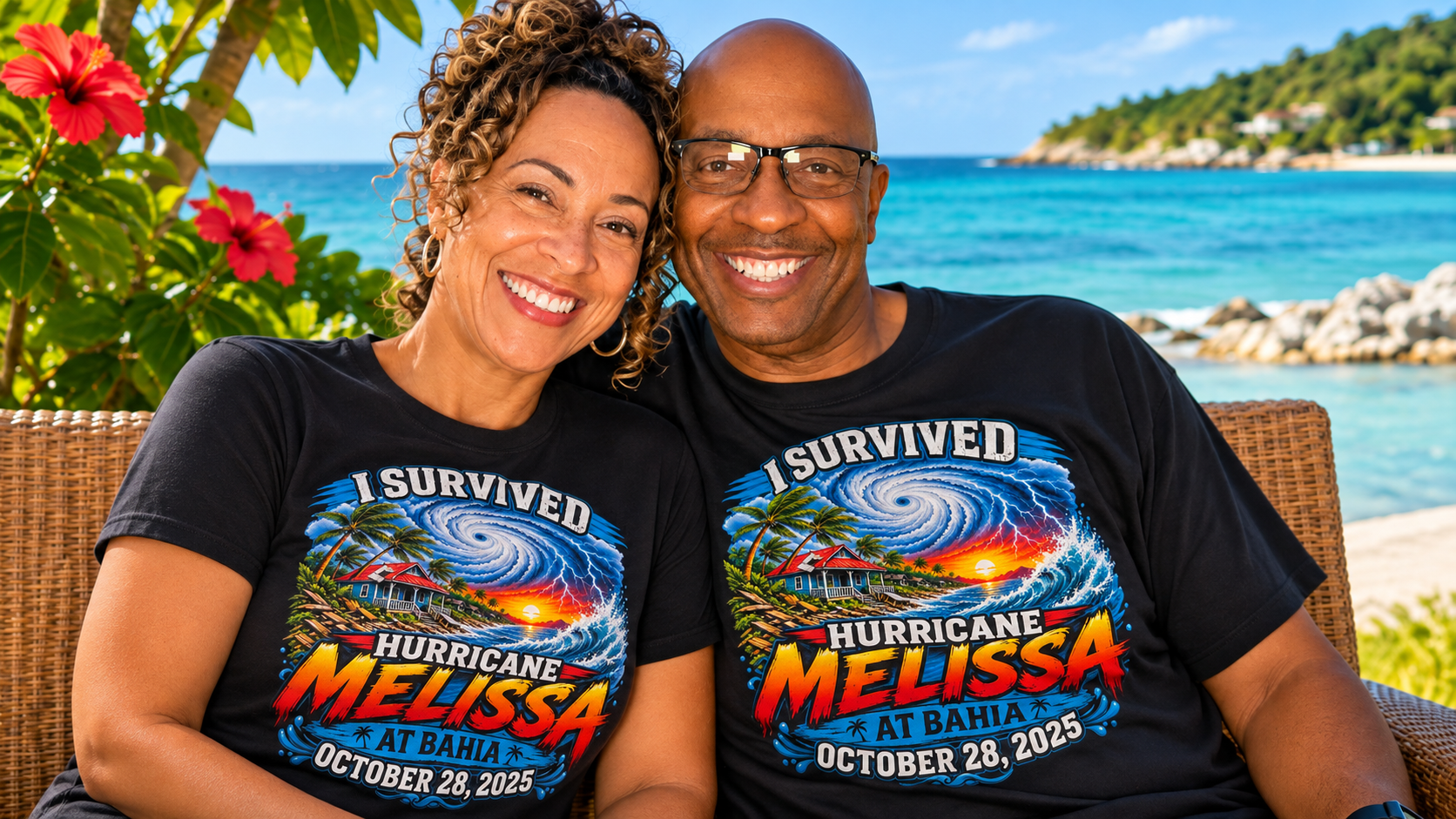
Last year, hubby and I went to
Jamaica for a vacation and ended up riding out one of the most powerful
hurricanes in the island's history. On October 28, 2025, Hurricane Melissa made
landfall in Jamaica as a Category 5 hurricane. And guess who was there? Yours
truly!
We knew the storm was coming, but I
don't think anything could have fully prepared us for what we were about to
experience.
At 7:00 that morning, we gathered
in the resort's theater along with other guests, resort leadership, staff
members, and their families. That theater would become our shelter for most of
the day. What I remember most was how prepared and confident the staff appeared
to be. They had a plan. They kept us informed. And somehow, in the middle of a
hurricane, they made it their mission to keep us entertained. Now, that's what
I call hospitality!
But there were some frightening
moments. As the eye of the hurricane passed over us, we could hear powerful
winds whipping shingles from the roof. Then the electricity went out, and for
about an hour, everything became strangely quiet. By midnight, the worst was
over, and we were able to return to our beds, safe and sound. Unfortunately,
that wasn't quite the end of our adventure.
The internet was completely down
for two days and sketchy after that, leaving our families back home worried
because they couldn't reach us. Our flights were canceled repeatedly, adding
five unexpected days to our vacation. Meanwhile, the Jamaican staff continued
doing everything they could to make us feel as though we were still enjoying a
vacation.
As I reflect back on the
staff, they were dealing with the same
hurricane that had just disrupted our vacation. But for them, it wasn't simply
a matter of missing a flight or staying a few extra days. Their homes,
families, livelihoods, and communities were at stake. And yet, they continued
to show up.
One Year Later, a Different
Perspective
This last week, we were back in
Jamaica. On the first anniversary of Hurricane Melissa, several guests who had
also experienced the hurricane last year encouraged everyone to celebrate the
determination and resilience of the Jamaican people. And how did they suggest
we celebrate? With a shot or two or three! Now, before anybody gets too
excited, this is a brain health newsletter, not an endorsement of taking three
shots! LOL. But the spirit of that celebration stayed with me.
Some of the people serving us had
lost so much. Yet here they were, a year later, still showing up, still
rebuilding, and still moving forward. Not because everything had returned to
normal. Not because the devastation had been forgotten. But because they had
not allowed one devastating day to erase every possibility for their future. As
I watched and listened, I couldn't help thinking about something I often teach
women about the brain. The human brain is remarkably adaptable. But
resilience isn't simply about being strong enough to withstand a storm. It's
also about what helps us recover after the storm has passed.
Your Brain Was Designed to Adapt
There's a fascinating
characteristic of our brains called neuroplasticity. Simply put,
neuroplasticity is the brain's ability to change and adapt in response to
experiences, learning, and repeated behaviors. And here's the encouraging news:
Our brains retain this capacity throughout our lives, including midlife and
beyond.
Now, that doesn't mean we can
simply think positively and erase trauma, grief, or painful memories. Nor does
it mean that every neurological injury or emotional wound can be reversed. But
it does mean that difficult experiences don't necessarily have to determine how
we think, feel, and respond for the rest of our lives.
Our brains can continue learning
new coping strategies, developing habits, and strengthening skills that help us
navigate life's challenges. And that's where resilience comes in. Resilience is
our capacity to adapt and continue functioning, or gradually regain our
footing, when faced with adversity. It doesn't mean we never feel afraid. It
doesn't mean we don't cry, grieve, or become overwhelmed. Sometimes the most
resilient thing we can do is admit that we're struggling and allow someone to
help us.
Three Lessons About Resilience
That I Brought Home
1. We handle storms better when
we don't face them alone.
Remember the theater where we
sheltered during Hurricane Melissa? We were surrounded by people who had
prepared for the unexpected. Their calm leadership, encouragement, and presence
helped us feel safer during a frightening experience. Our brains respond to perceived danger by
activating stress-response systems.
Having reliable information, a
sense of safety, and supportive people around us can help us cope with that
stress. That's why relationships are so important to brain health. Whether
we're facing a difficult diagnosis, caring for an aging parent, grieving a
loss, or navigating an unexpected life transition, we need people who can
remind us that we're not alone.
2. Hope gives us a reason to
take the next step.
One thing I admire about the
Jamaicans I encountered is their determination to keep moving forward. Hope
doesn't mean denying what happened or pretending everything is okay. It means
believing that something meaningful is still possible, even when circumstances
have changed.
Psychological research connects
hope and flexible coping with resilience. When we can imagine a future worth
working toward, we may be better able to identify practical steps and stay
engaged in recovery. Sometimes that next step is rebuilding a home. Sometimes
it's returning to work. And sometimes it's simply getting out of bed and trying
again tomorrow. Small steps count.
3. Recovery doesn't always
happen when we expect it to.
Remember those five extra days we
spent in Jamaica? The storm was over, but the disruption continued. Isn't that
how life works sometimes? The surgery is over, but recovery continues. The
divorce is final, but the emotional healing takes time. The caregiving
responsibility ends, but exhaustion remains. The crisis passes, but our nervous
system may still be responding as though danger is nearby.
Sometimes the storm is over long
before life returns to normal.
We have to give ourselves
permission to recover at a realistic pace. And sometimes recovery requires more
than encouragement. Counseling, medical care, rest, practical assistance, and
ongoing support may all be part of the process. There's no shame in needing
help.
Faith Doesn't Mean We Won't Face
Storms
One of my favorite reminders comes
from Isaiah 43:2 (KJV): "When thou passest through the waters, I will
be with thee; and through the rivers, they shall not overflow thee..." Notice
that God didn't promise we would never encounter deep waters. He promised His
presence as we pass through them. I think about the staff members who remained
with us throughout Hurricane Melissa. Their presence didn't stop the hurricane,
but it made an enormous difference in how we experienced it.
Likewise, faith doesn't erase every
difficult circumstance. But it can provide meaning, comfort, connection, and
hope as we navigate uncertainty. And sometimes God uses other people to remind
us that we're not facing our storms alone.
What About the Storms in Your
Life?
As midlife women, many of us have
already survived storms we never imagined we'd face.
Some have experienced the loss of a
spouse, a parent, a marriage, or a career. Others are navigating health
challenges, changing family responsibilities, financial uncertainty, or the
emotional adjustments that come with aging. And some of us are still in the
middle of our storms. Wherever you find yourself today, I want you to remember
something.
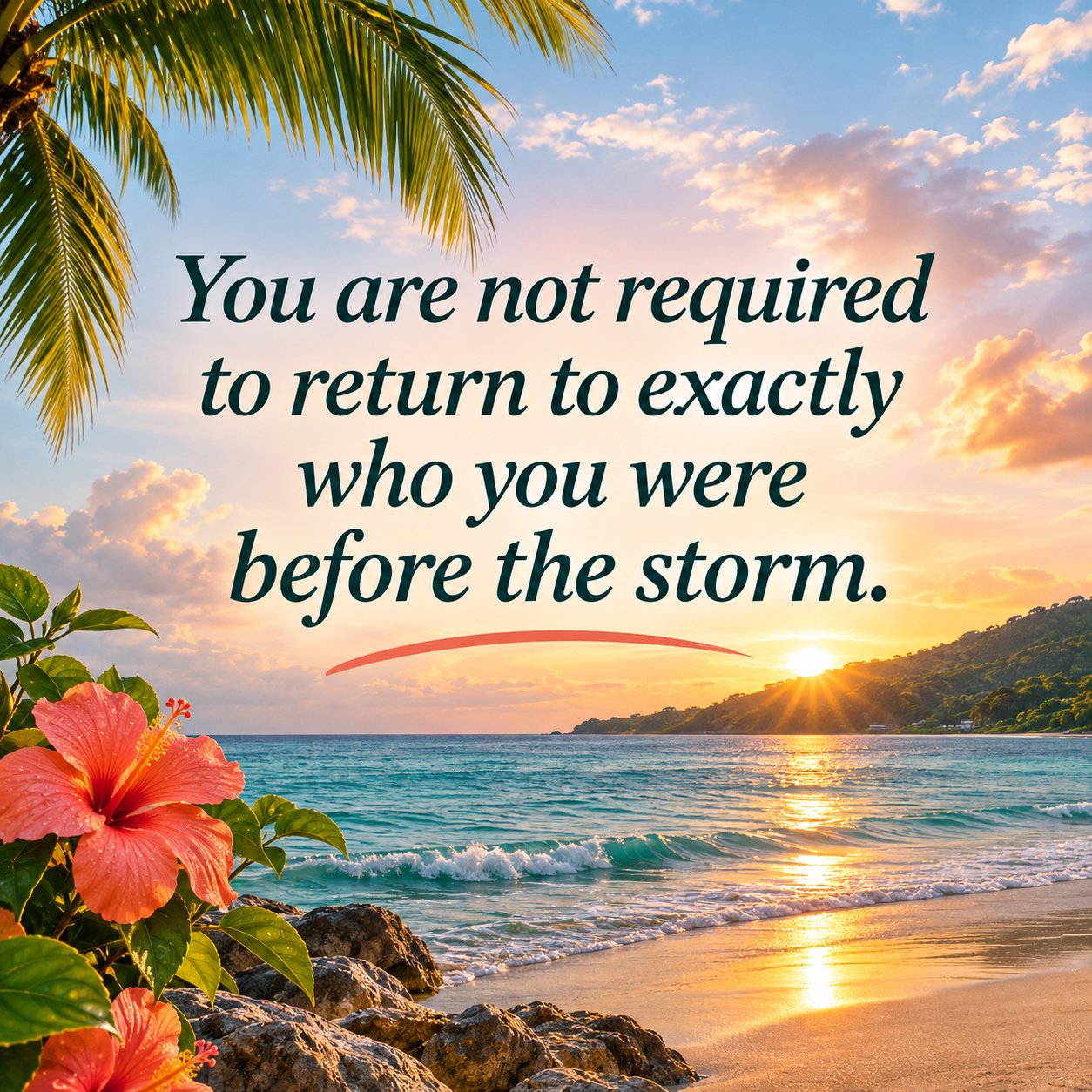
Sometimes recovery means
discovering how to move forward with what you've learned, what you've lost, and
what you still have. Your brain can continue adapting. Your relationships can
help sustain you. Your faith can offer a foundation for hope. And your story
can continue unfolding.
So this week, I invite you to
consider three questions:
- What difficult season have I survived that I haven't
fully acknowledged?
- Who or what helped me get through it?
- What is one small step I can take toward healing,
growth, or renewed hope?
As I returned from Jamaica, I
carried home more than memories of beautiful beaches, sunshine, and warm
hospitality. I carried a deeper
appreciation for people who continue rebuilding even when the process is
difficult and incomplete. I will also remember that resilience isn't always
loud or dramatic. Sometimes it looks like getting up, showing up, accepting
help, and choosing to believe tomorrow can still hold something good. The
storm may have interrupted our plans, but it didn't cancel our future.
And as long as there's life,
there's still a reason to nurture our minds, care for one another, and make
room for hope.
Blessings,
Dr. Janice R. Love
Pearls Perfected Institute
Because a Renewed Mind Changes
Everything.