“Babe, I need you to check my
blood pressure.”
We were sitting on the couch eating
popcorn—our usual Sunday night ritual—when I knew something wasn’t right.
My husband looked at me surprised
because I’ve always had great blood pressure. Doctors have complimented me on
it for years. It’s never been an issue for me.
But when my husband checked it, it
was high. My husband was worried.
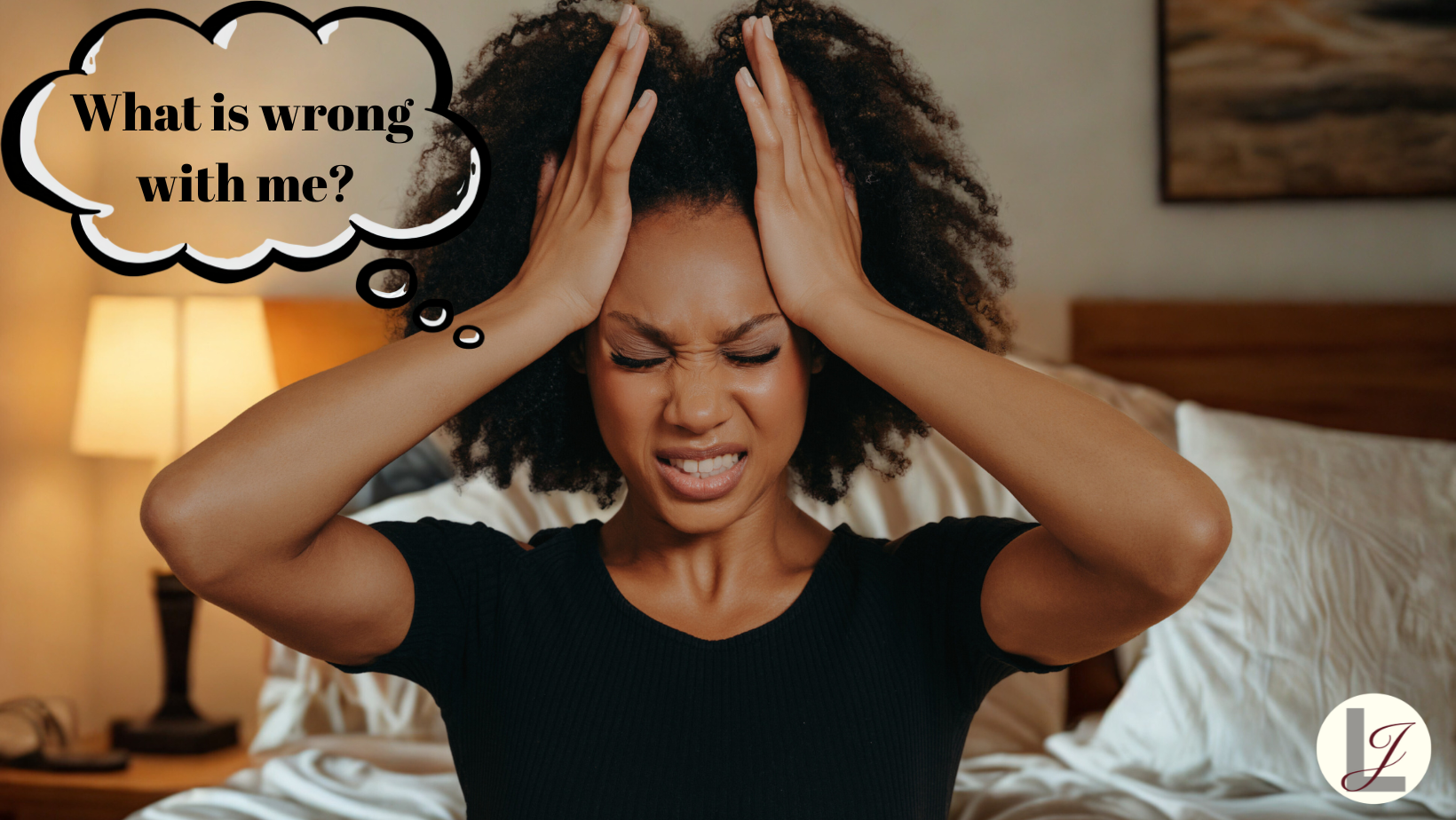
And I didn’t feel right.
The feeling came on suddenly—a
strange fullness in my head, lightheadedness, and the unsettling sense that I
might pass out. I couldn’t quite explain it, but my body was waving a red flag.
My mind started racing.
Am I having a heart attack? A stroke? A brain bleed?
When I called my doctor, she was
concerned—because she knows I don’t call unless something is truly wrong. She wanted
me to call 911. She heard my hesitancy and asked if my husband was listening. She
told him to take me to the nearest hospital.
After a multitude of tests, the
answer finally came.
It wasn’t my heart. It wasn’t my
brain.
It was my thyroid.
When One Small Gland Causes Big
Problems
January is National Thyroid Awareness Month, and my experience is far more common than many women realize.
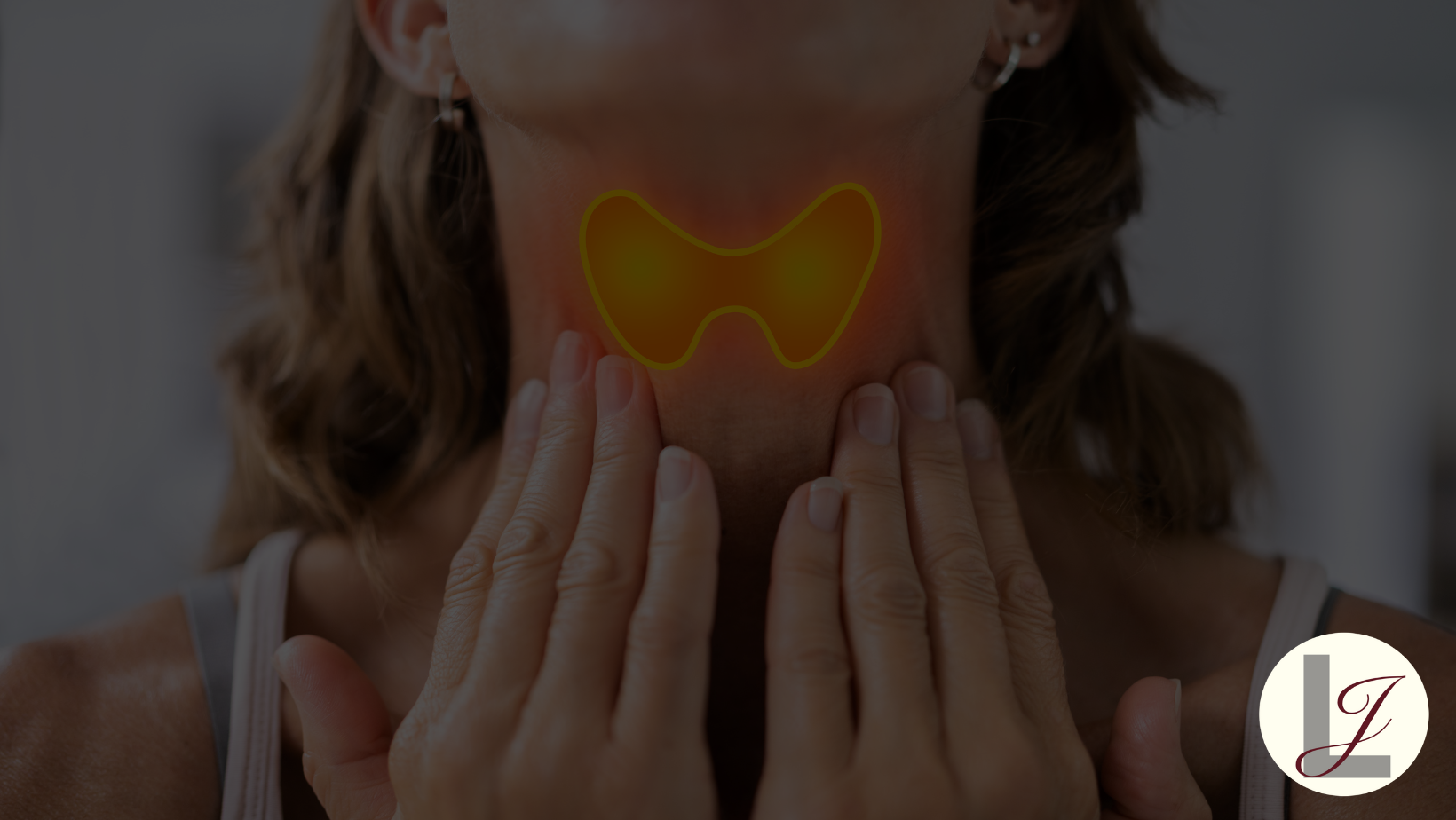
The thyroid is a small, butterfly-shaped gland located in your neck. Despite its size, it plays a massive role in how your body functions. It produces hormones that regulate:
• Metabolism
• Heart rate and breathing
• Energy levels
• Digestion
• Body temperature
• Weight changes
• Mood and emotional regulation
• Menstrual cycles
• Brain function
When your thyroid is off—even slightly—your entire system can feel out of sync.
And here’s the problem: many of the symptoms of thyroid dysfunction look like things women are used to being told to “push through.”
Stress.
Burnout.
Anxiety.
Aging.
Too much on your plate.
So instead of asking why, many women just keep going—while their bodies quietly struggle.
The Brain–Thyroid Connection No
One Talks About Enough
As women, we often separate mental
health from physical health, but your body doesn’t work that way.
Thyroid imbalances can show up as:
- Brain fog or difficulty concentrating
- Anxiety or sudden mood swings
- Fatigue that doesn’t improve with rest
- Feeling “off” mentally but unable to explain why
- Sleep disturbances
- Emotional sensitivity or irritability
When the brain isn’t getting the
hormonal support it needs, clarity suffers. Decision-making suffers. Emotional
regulation suffers.
You may start questioning yourself
when, in reality, your body is asking for attention.

This Is Your Cue to Pay
Attention
If you’ve been feeling unlike
yourself—mentally, physically, or emotionally—this isn’t an invitation to
panic. It’s an invitation to pause and get curious.
Ask questions.
Advocate for bloodwork.
Pay attention to patterns instead of dismissing symptoms. Because sometimes the
issue isn’t a lack of motivation, discipline, or faith. Sometimes it’s
chemistry.
A Gentle Challenge for This New
Year
As we step into a new year, I want
to challenge you to listen to your body differently.
Not with fear—but with respect.
If something feels off, don’t
minimize it. If your mind feels cloudy, don’t shame yourself.
If your energy is gone, don’t assume it’s just “how life is now.” Your brain and your body are always
communicating.
The question is whether we’re willing to listen.
And sometimes, the smallest gland
is the loudest messenger.
Stay tuned for Thyroid Part II.
Blessings,
Dr. Janice R. Love